
Norwegian Baked
“I didn’t sit down with a big plan. I just kept going, step by step, because people loved it and kept coming back for more.”
Hedvig BourbonFounder & Owner
“I turned a passion for baking in my home kitchen into our own bakery.”
What started as a home kitchen operation is now a full production space at the Brooklyn Army Terminal, where Norwegian Baked handles everything in-house. Ingredients come in, crispbread is hand-mixed, baked, packed, and shipped from the same facility. Wholesale orders go out to specialty food shops, direct-to-consumer orders ship across the country, and weekends are spent at markets meeting customers face to face.
No single sales channel carries the business. It is a mix, built over time. Some accounts have been there for years, while others come and go. That balance has made the business more stable, and more personal. Hedvig values the close relationships built with specialty and independent stores, where the distinction between small-batch craftsmanship and mass production is most appreciated.
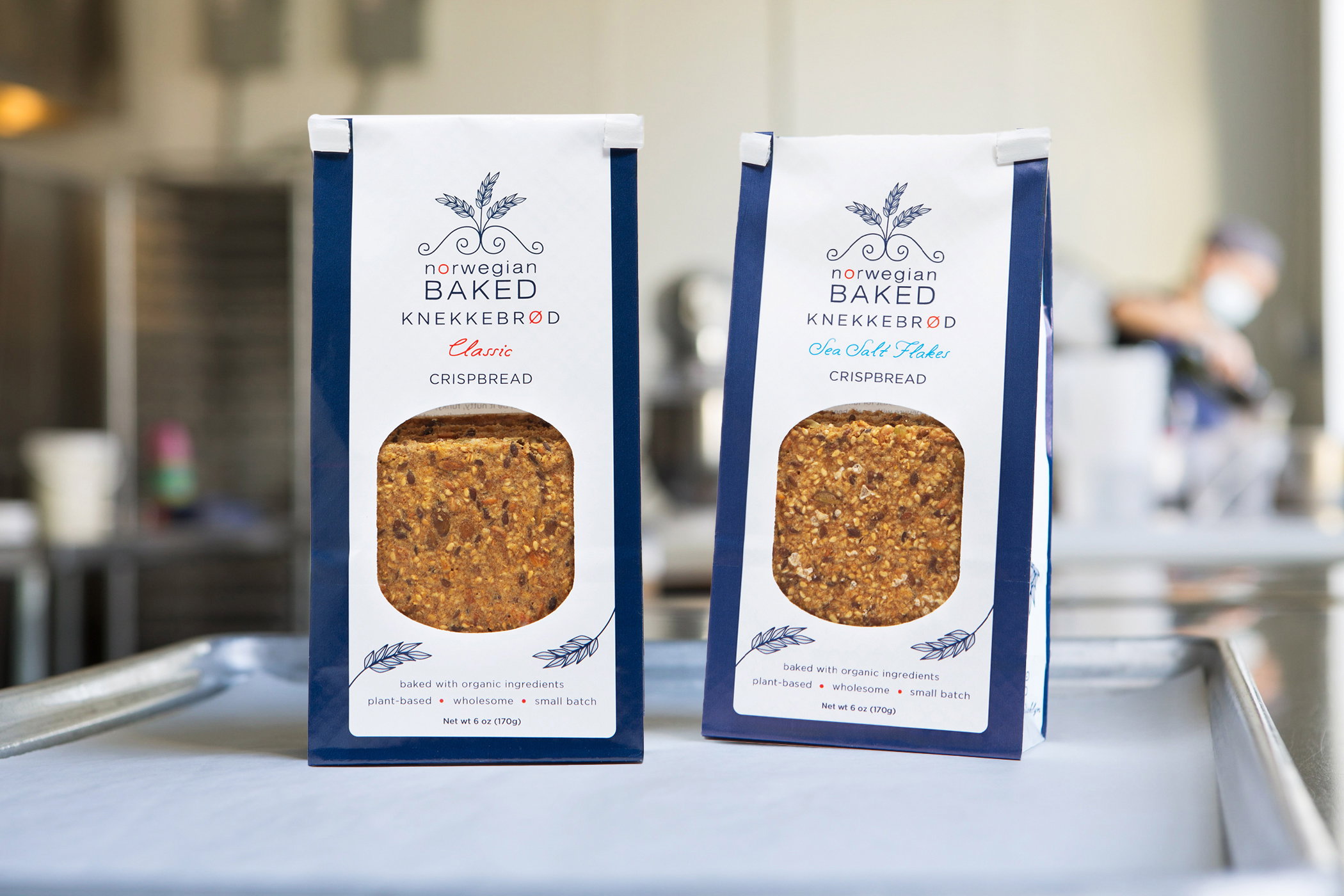
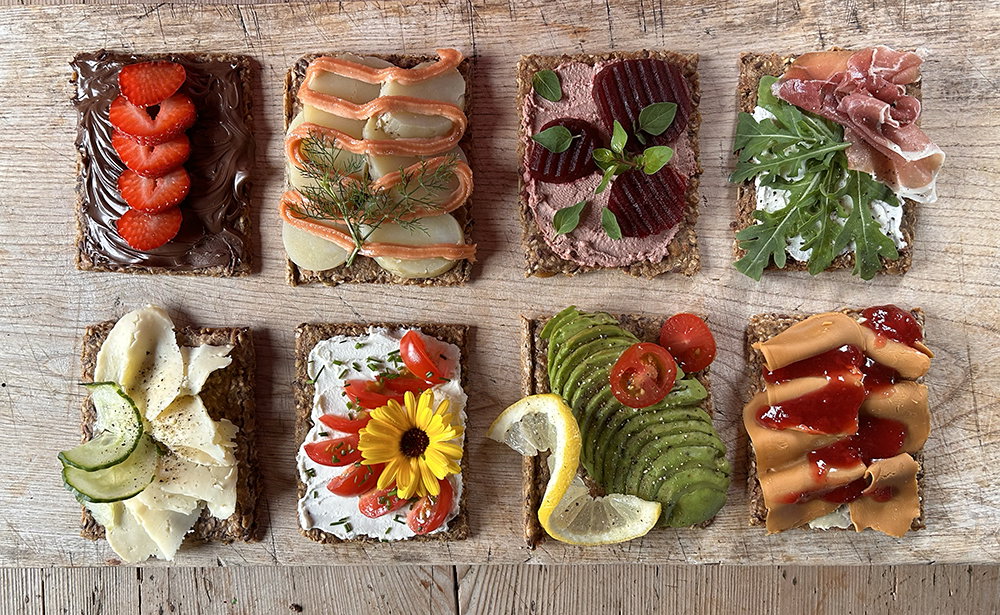
The product itself is simple to describe and harder to replicate. Norwegian knekkebrød, or crispbread, is based on a traditional grain recipe, reworked for more flavor and texture than the dry versions most people are used to. Olive oil, seeds, and variations like rosemary lemon or chili coriander turn it into something people do not just try once, but keep coming back for.
That demand is what pushed the business forward. Not a corporate growth strategy, but rather steady pull from customers.

“It all started one summer, while visiting with my family in Norway.”
Hedvig walked into her aunt Liv’s kitchen and found her baking crispbread. It was something she had grown up around, but that time it landed differently. She stayed, learned the process, and brought the recipe back with her.
Back in Brooklyn, she started making it for friends and family, adjusting as she went: adding olive oil, refining the texture, and figuring out what worked here versus what she remembered from home.
At the same time, she was exploring how to build a food business from scratch: licensing, labeling, packaging. She began under a home processing license, baking in her own kitchen, then gradually expanded into shared kitchen space as demand grew.
It was not her first attempt at building something. She had tried sewing and selling products before, experimenting with different ideas. This one stuck, partly because she loved making it, and partly because people kept asking for more.
“Reaching people across the US is incredibly meaningful. It’s grown into something truly special.”
While the business has grown significantly, Hedvig’s approach has not changed much. New products come from the same place as the original crispbread. Holiday cookies, for example, were drawn directly from her grandmother’s recipe book; they started as a small seasonal release and quickly built a following. Customers reordered throughout the season, some even requesting overnight shipping to have them in time for Christmas.
Recognition has followed, including multiple Sofi Awards, but Hedvig does not define growth in terms of scale alone. She is careful about expanding too quickly. The current product line spans both savory and sweet, and every addition must meet the same standards: small batch production, high-quality ingredients, and a sense that it was made by a person, not just produced.
The goal is not to become something else. It is to keep building on what is already working, without losing what made people care in the first place.