“We offer people solutions and an opportunity to thrive.”
Anthony LiloreFounder
“Ideas are just the beginning. The really interesting part (and the work) is what happens after.”
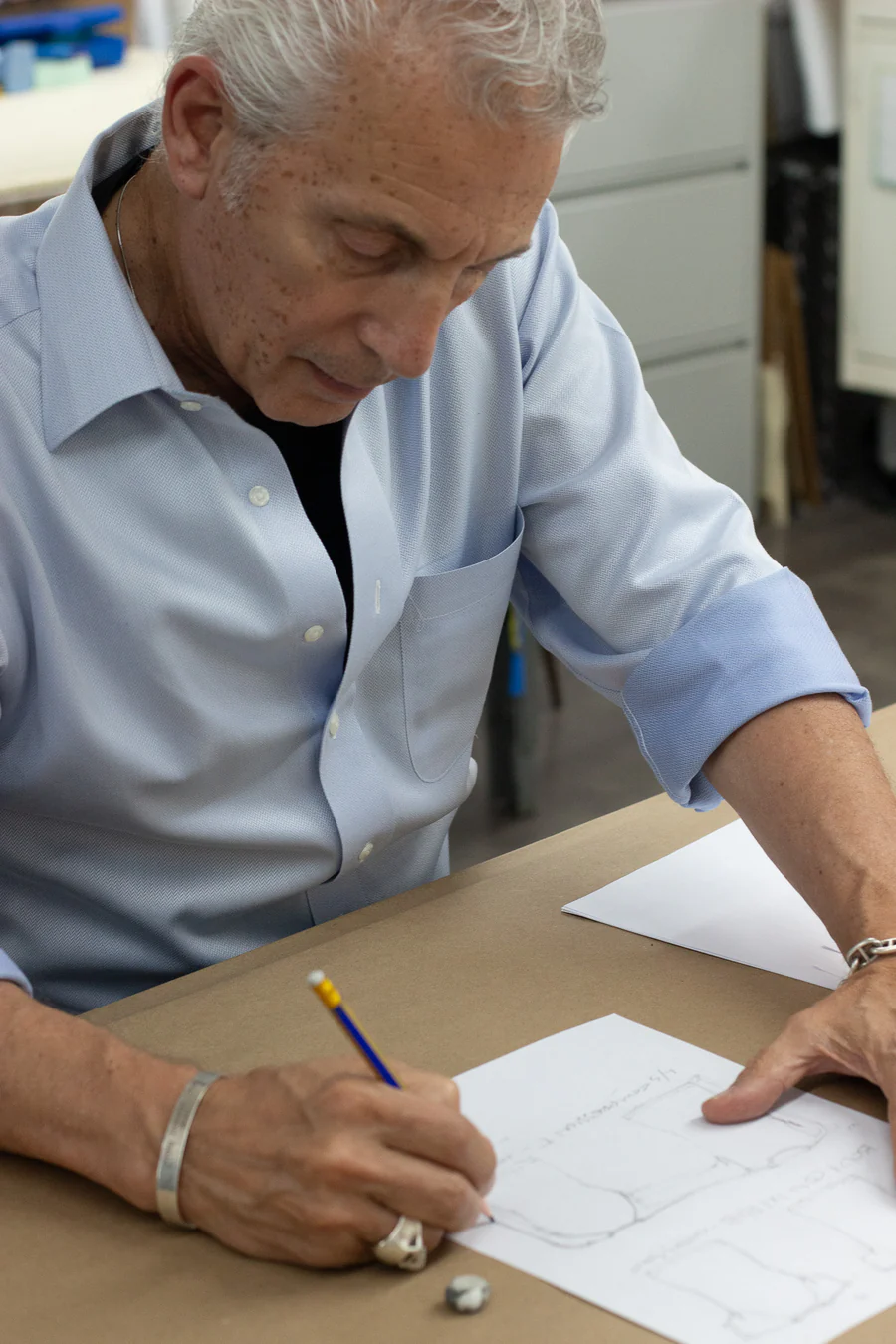
When Anthony Lilore arrived at the Parsons School of Design, he thought fashion was all about “the designing”. Like countless young designers entering New York’s fashion world, he imagined bringing ideas to life and watching them walk down runways. His early jobs on Seventh Avenue seemed to confirm that dream. Draw something, hand it off to the pattern maker and draper, and the next day a garment would appear. “It felt magical,” he says.
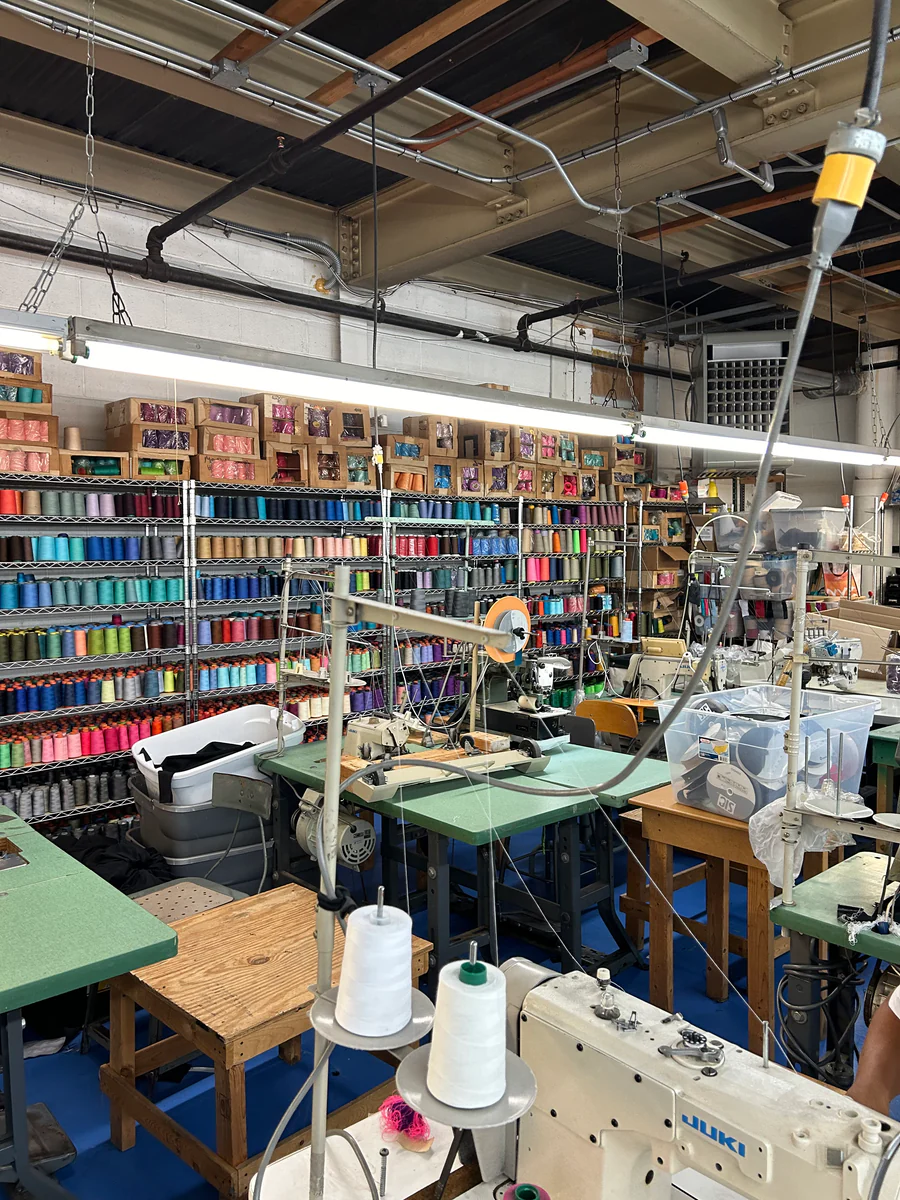
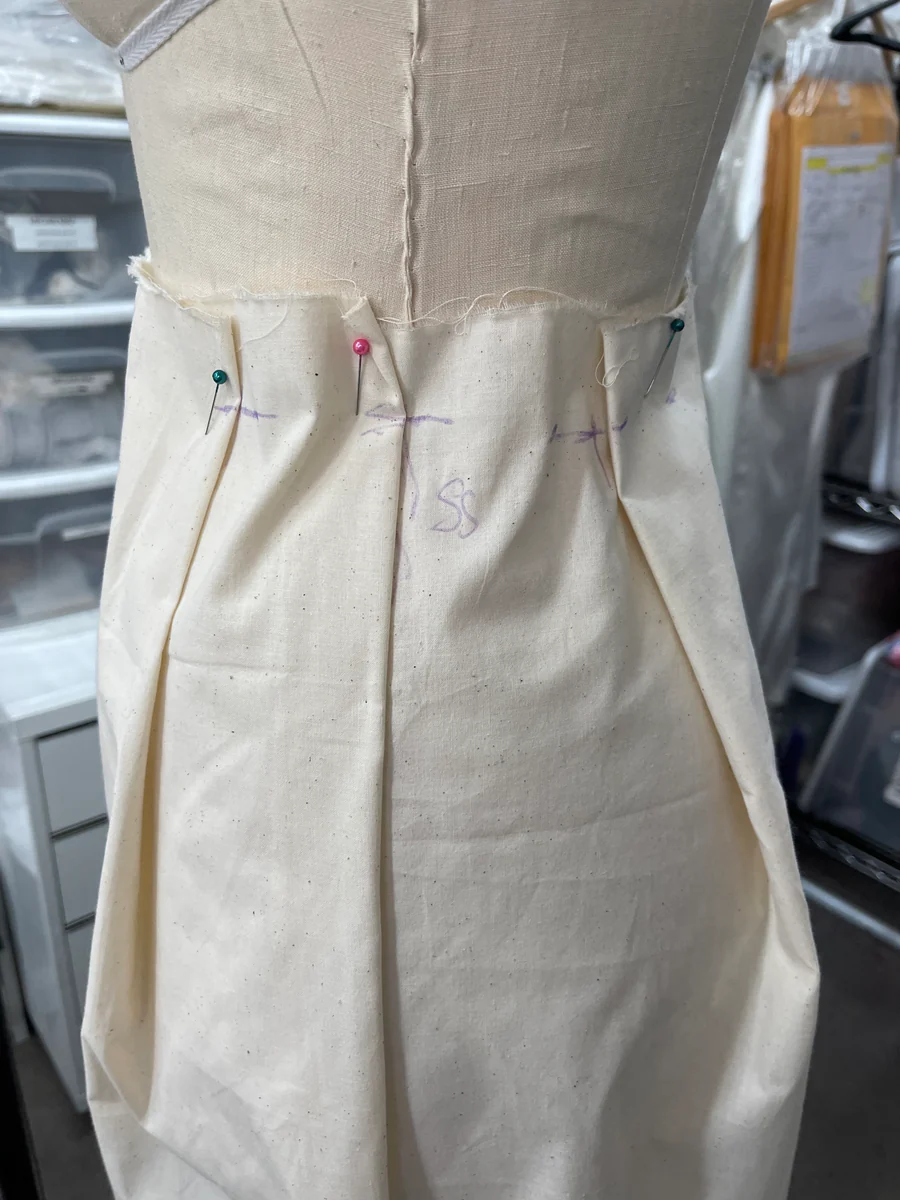
But the longer he worked in the Garment District, the more he realized the sketch was only the beginning. “You discover how little you know,” he says. “There is so much that happens between the drawing and the dress.” Those discoveries only intensified his curiosity about the process. He found himself drawn less to the glamour of fashion and more to the craft behind it: the patternmaking, fitting, sewing, and problem-solving that transform an idea into production that people can actually wear. “I loved the collaboration,” he says. “Everybody brought something to the table, and the product always became better than what was originally in my head.” More than forty-five years later, that process still excites him.
“We saw so much beautiful work end up in the garbage, and eventually we started asking ourselves if there was a better way.”
Over the years, Lilore built a career (almost) entirely inside the Garment District, eventually running a company with his wife that produced apparel and promotional products for major cosmetic brands. It was rewarding work, and some projects left a lasting impression. One large campaign in particular required transforming nearly 34 miles of fabric into tablecloths and banners for department store displays. After only two weeks, all of it was discarded.
“That was a lightbulb moment,” Lilore says. “I thought, I don’t want to make money this way.” He became increasingly interested in sustainability and how thoughtful manufacturing could reduce waste without compromising quality.
Those lessons shaped the philosophy behind RESTORE, where local production, responsible sourcing, and durability are priorities rather than afterthoughts. One recent swimwear project used regenerated nylon yarn made from discarded fishing nets recovered from the ocean. “It was more expensive,” he admits. “But it was beautiful, well made, and it checked all the boxes we cared about.”
“Every brand has a story. RESTORE helps turn those stories into products.”
Today, RESTORE operates as a design and production consultancy in New York, drawing on decades of experience in design, product development, and manufacturing. Lilore sees the company’s future moving in two directions. One is to develop products under the RESTORE name. The other is helping brands and entrepreneurs bring new ideas to life through apparel and sewn products. “Most companies aren’t looking to become fashion brands,” he says. “They just want an apparel component or extension that reflects who and what their brand is.”
In many ways, it feels like a return to his earlier work creating apparel for cosmetic companies, where garments served as extensions of an existing identity. Whether he is working with emerging entrepreneurs or established brands, Lilore still approaches each project with the same curiosity that first drew him into the Garment District decades ago. “There is no definite template,” he says. “Every project is different, and that’s why I still love doing this.”