
Arabian Nights Foods
“My mom was making hummus in a New Mexico kitchen, and it just kept spreading. Stores wanted more, people wanted more, and it never really stopped.”
Khaled Khweis
“Our family recipe in a New Mexico kitchen turned into one of the first hummus brands to take hold across grocery shelves in the Southwest.”
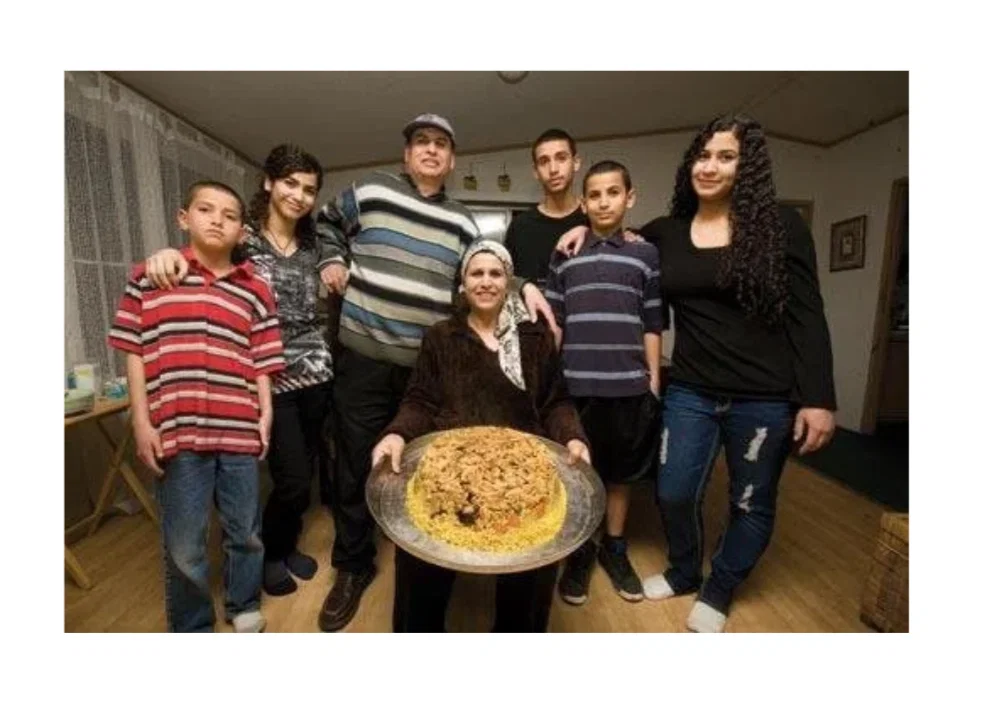
Arabian Nights starts with Khaled Khweis’ mother, Heyam, cooking out of an industrial kitchen in Taos, New Mexico. She was making hummus from a Palestinian family recipe, by hand. It was the late 90s, and hummus was still unfamiliar in most of the US.
As Khaled grew up, the business became part of daily life. All six kids were involved. Not in a symbolic way, in a real way. Production, prep, learning every step of how it was made. Arabian Nights had built a following across, becoming one of the first regional hummus brands to break into mainstream grocery in the New Mexico and Colorado. Store owners kept asking for more, more flavors, more products.
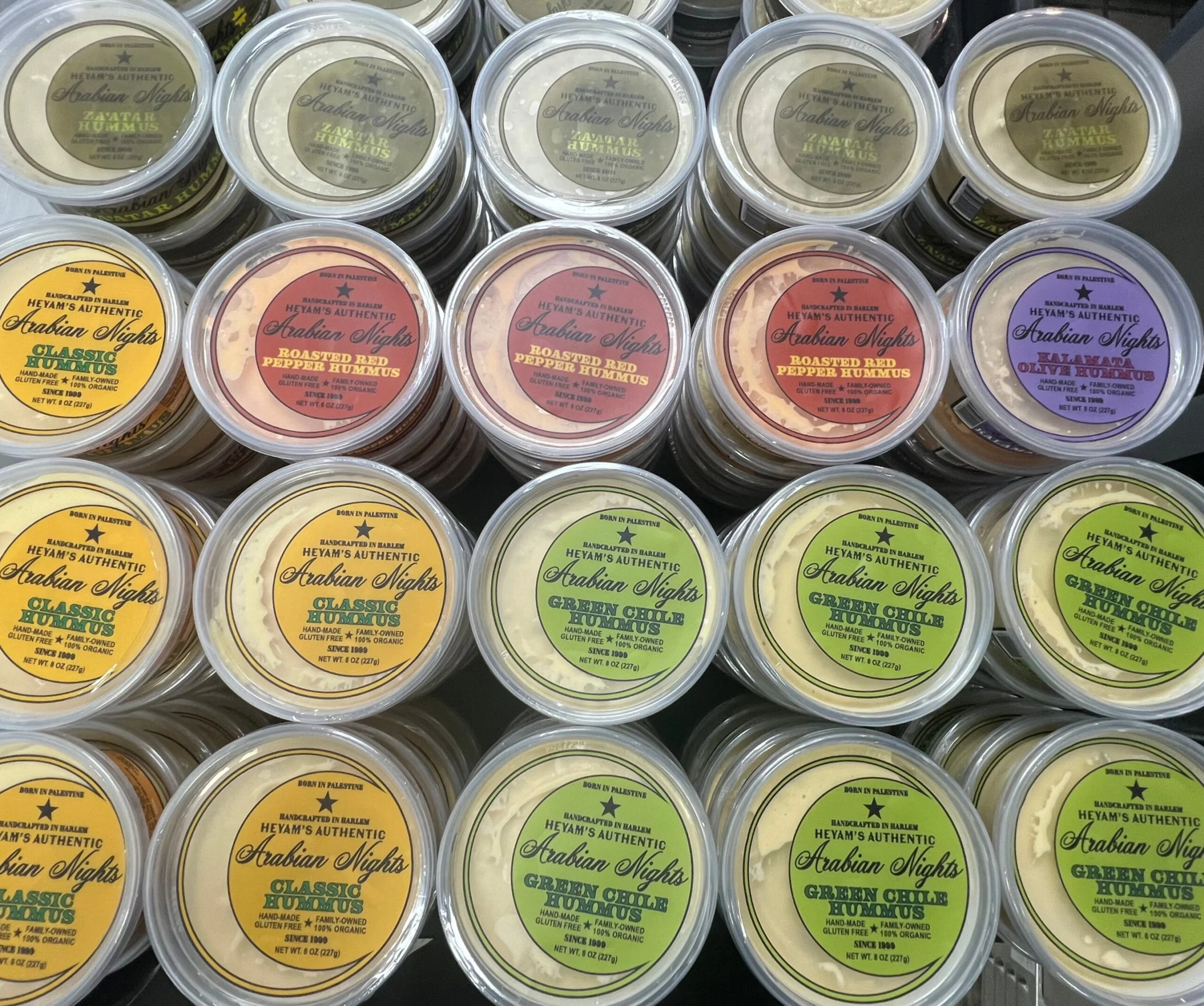
But traditional hummus doesn’t have mixed flavors, and Heyam was hesitant to change her recipe. As Khaled remembers, “It took some convincing, but eventually she added roasted red pepper and kalamata olive flavors. That’s pretty standard now but, at the time it was really new.”
Later, she finished the product line by developing a Hatch Green Chili hummus, using one of New Mexico’s most iconic exports. By then, Arabian Nights had made its way into Whole Foods, where it became the top selling hummus brand in the state.
“I became the hummus guy.”
Khaled was studying at Columbia when his mother decided it was time to retire. His youngest siblings had graduated high school, and she was ready to move on. He was not.
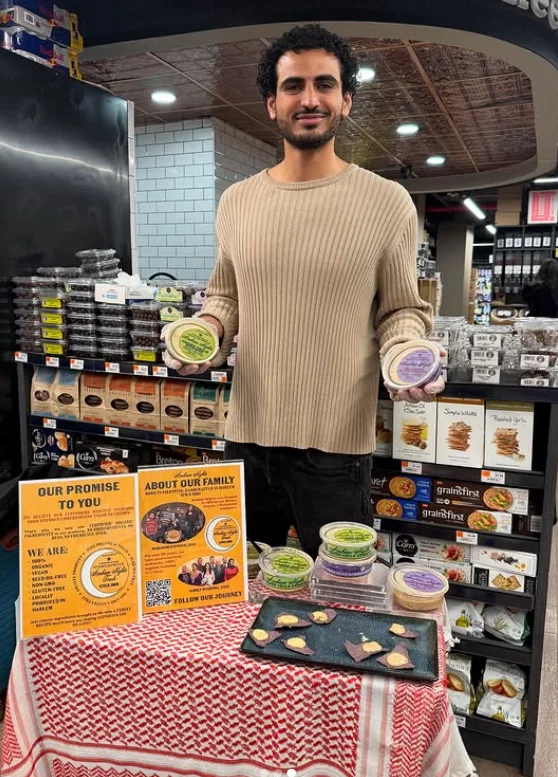
“I told her, please don’t sell it. Just give me a few years.” A few years later, it was 2024, and it was time to start over again. Making hummus in his own kitchen, Khaled set up a table outside of the local Whole Foods, selling directly to anyone willing to stop.
It worked. “I had regulars pretty quickly, and they called me the hummus guy. People would shop inside, then come out and get hummus from me.”
From there, he moved into a shared commercial kitchen in Harlem and rebuilt the company’s foundation. He launched an e-commerce website and coordinated local pickup drops for customers. The plan was to scale slowly and refine the recipe, getting feedback directly from customers. “I thought I’d tweak it for local tastes, but honestly, it was already right.” With growth in mind and a loyal customer base already making regular purchases, he decided to find some wholesale accounts.
Where people find Arabian Nights has changed, but how they experience it hasn’t.
Today, Arabian Nights is sold in nearly 40 locations across New York City.
The business shifted from direct sales into wholesale, but stayed close to customers through in-store demos and tastings. “I do about six demos a week. That’s where people actually understand it. They try it, hear the story, and it clicks.”
The product line has continued to evolve through small, unexpected moments, often from within the family itself. The newest flavor came directly from how Khaled eats hummus at home.
“My wife saw me dipping pita bread into olive oil, then za’atar, then hummus and said, why don’t you just make that? I said there’s no way that works.”
Like his mother before him, he was hesitant to change something that already worked. But it did work, and it’s now one of their strongest flavors.
As the business grows, Khaled is looking for a larger kitchen and more retail partners, but the approach hasn’t changed. “It’s the same recipe, the same process. We just figured out how to bring it to more people.”