ColorSorts
“There is so much waste in this industry. The future is finding better ways to use what already exists.”
Baber IftikharFounder
“We started becoming more aware of how much waste our own process was creating.”
Baber Iftikhar and his team entered the apparel industry through ViaJoes, developing and manufacturing products for brands through a global supply chain network. In its early years, the company focused on conventional apparel production while prioritizing factories that met internationally recognized labor and safety standards.
Over time, the team expanded into more sustainable materials and sourcing practices, building relationships with certified factories and mills across Asia that emphasized both product quality and social compliance.
“We were already trying to work with better factories and better materials,” Baber said. “But we kept seeing the amount of waste the industry was creating through the manufacturing process itself.”
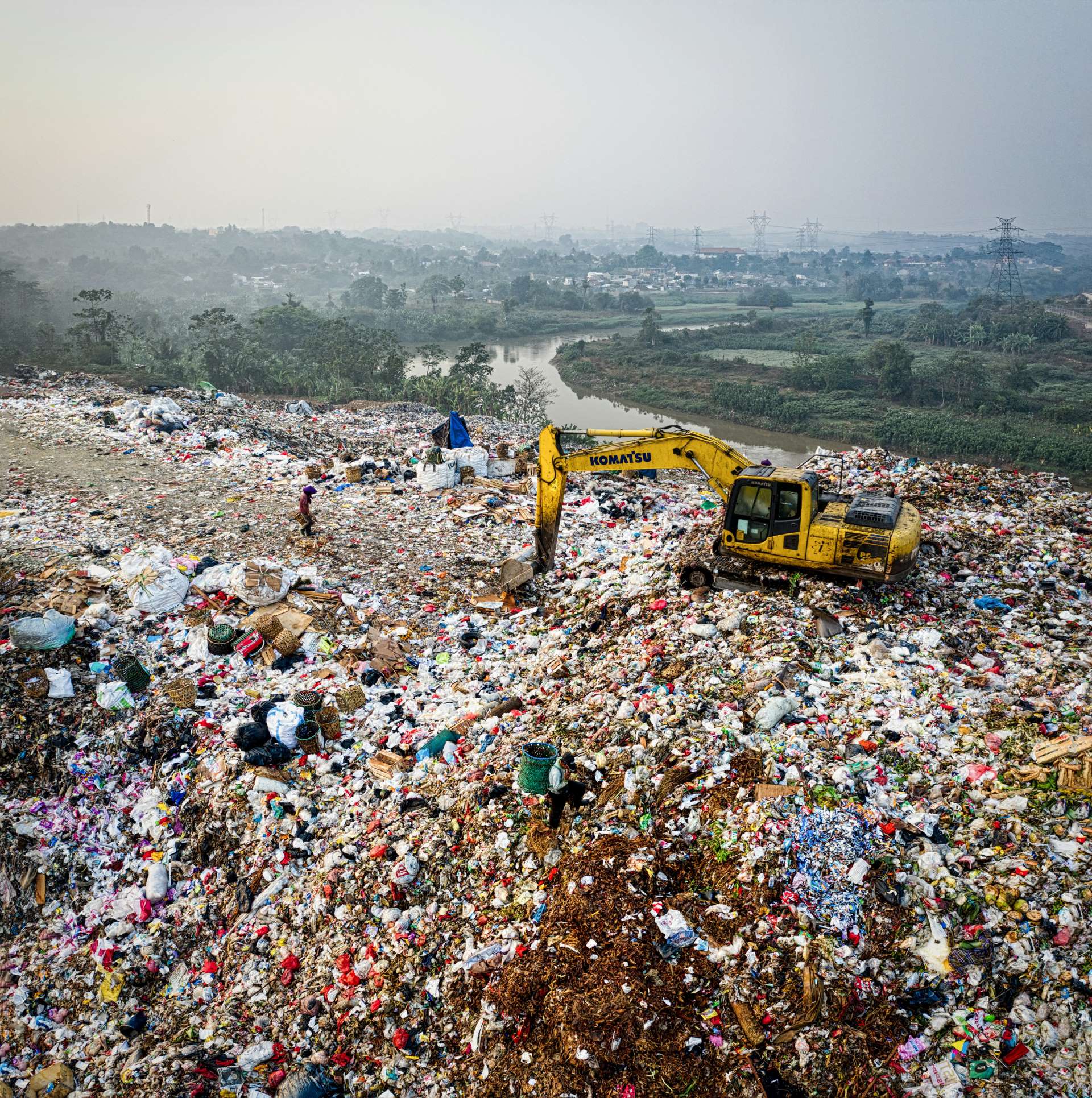
Globally, the apparel industry generates an estimated 92 million tons of textile waste every year. As ViaJoes continued to grow, the amount of waste the team witnessed firsthand became impossible to ignore. In 2022, the company launched ColorSorts to help address the industry’s growing need for more scalable, sustainable production practices.
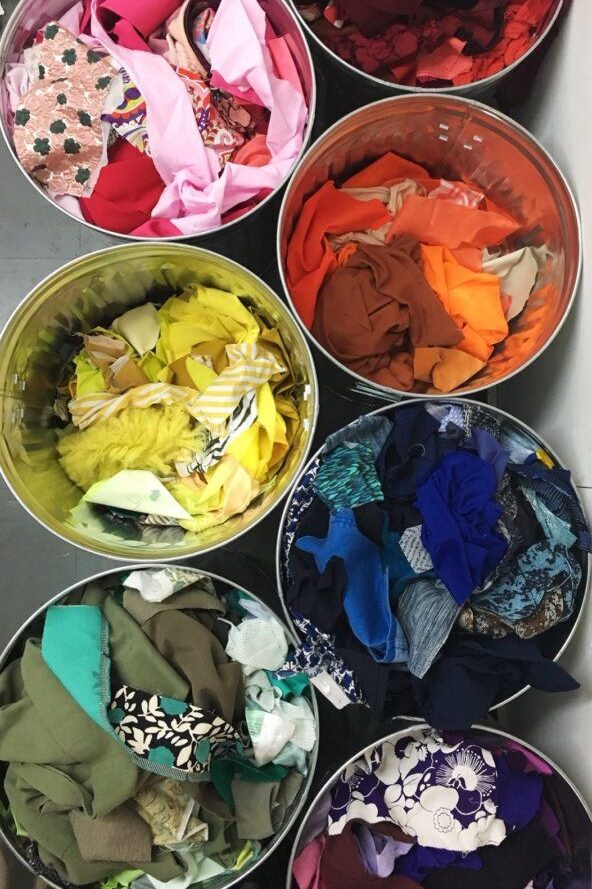
“We already knew how to make products. The difference was replacing virgin materials with industrial waste.”
ColorSorts converts cotton waste into new yarns, fabrics, and garments. The process begins by sorting industrial cutting waste by color, allowing previously dyed cotton to be reused without additional dyeing or water-intensive finishing processes. The recovered cotton is then transformed into yarn and used to create new fabrics and apparel.
Unlike many recycling methods, including chemical recycling, ColorSorts relies on a fully mechanical process. By using pre-dyed textile waste, the company avoids the additional chemicals, water usage, and finishing processes typically required in conventional production.
What began as an internal initiative quickly evolved into something much larger. Existing clients responded immediately, not only because of the environmental benefits, but because the products performed like conventional apparel and could scale within real manufacturing environments.
“It performs well. It works at retail. It’s no different than conventional product,” Baber said. “But it creates a better impact and rescues material that would otherwise end up in a landfill — something that is important to brands and consumers.”
Today, ColorSorts operates through the same manufacturing infrastructure and certified supply chain network the company has spent years building. May of its factory partners participate in internationally recognized compliance and environmental programs, including the Higg Index, which measures operational and environmental performance.
“There’s going to be significantly more innovation in this space.”
As the company continues to grow, the team is also expanding how brands can access these materials through new sourcing and development partnerships, including Panah Project.
While ColorSorts remains focused on mechanically recycled textiles, Panah Project enables the company to collaborate with a broader range of brands seeking support in sourcing, development, and sustainable product creation.
For Baber, the long-term opportunity extends far beyond a single product category. “What we’ve built can continue to improve, and more products can be created from industrial waste,” he said.
Part of that future involves making sustainability measurable. The company is currently conducting a full Lifecycle Assessment (LCA) to quantify the environmental footprint of its products compared to conventional textiles. The analysis will evaluate water usage, chemical inputs, utilities, and overall material impact across production, providing brands with verified data they can use internally and eventually share with consumers.
“We want brands to truly understand the impact of this product versus conventional product,” Baber said. “For us, the future is about creating something measurable and transparent.”
For now, the company remains focused on expanding what mechanically recycled materials can become, while proving that sustainability can exist within real production systems, not just concepts.