“People think we sell shoes. Shoes are just the tool.”
Bob SchwartzOwner
“New York is a walking city. People don’t think about their feet until they can’t do what they want to do anymore.”
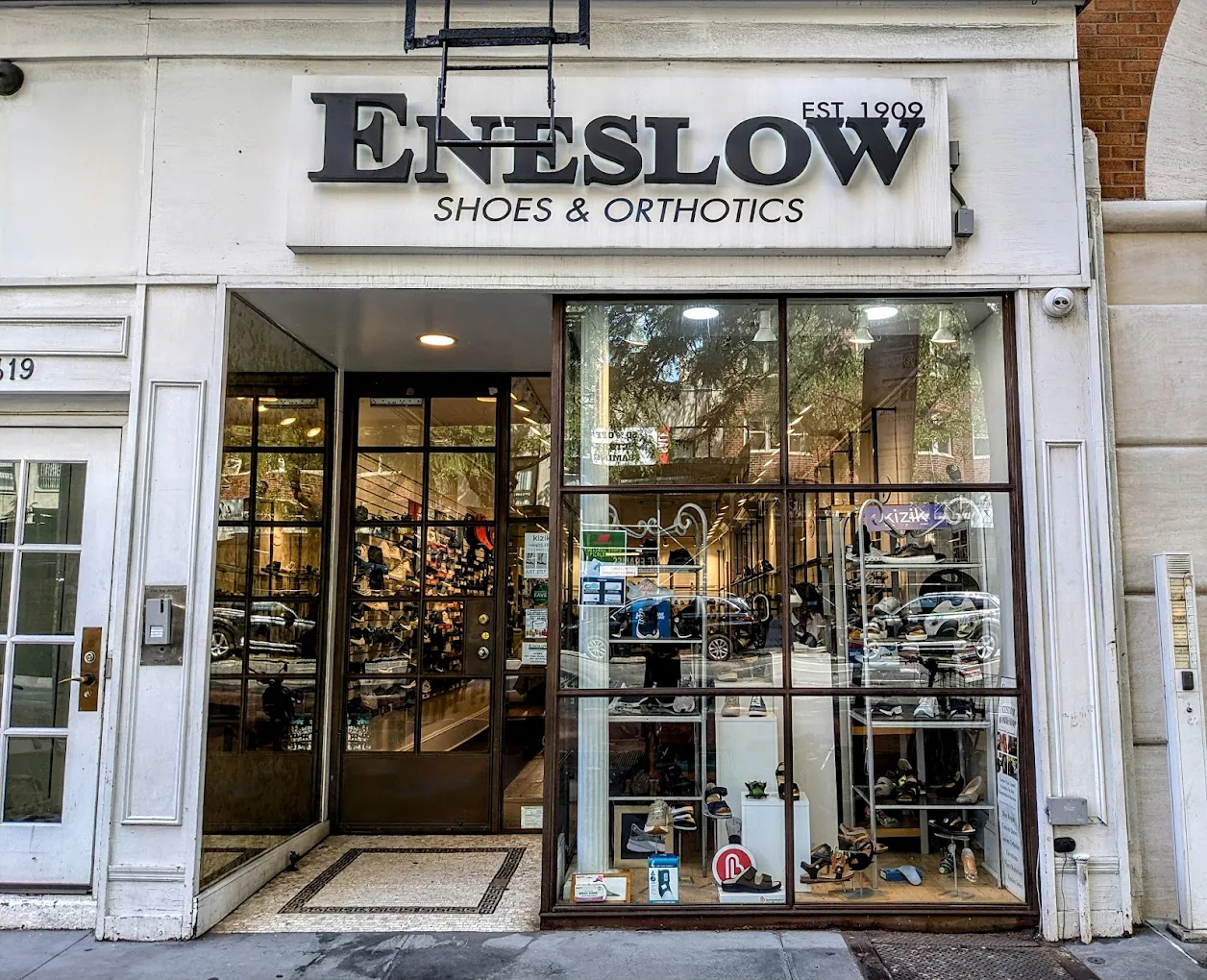
People never think about their feet, until pain starts limiting their lives. For Bob Schwartz, that reality has shaped decades of conversations with customers at Eneslow. What begins as foot pain is often something much bigger: the inability to travel comfortably, exercise, work long hours, or simply move through daily life without discomfort. “You have to understand people’s baggage,” Bob says. “Everybody comes with a story.” What Bob quickly realized was that the work had very little to do with simply selling shoes. Behind every customer is a different challenge: diabetes, mobility issues, neurological conditions, chronic pain, or the desire to remain active and independent as they aged.
Bob did not originally plan on building a career in orthopedic footwear. Before joining Eneslow, he worked in retail and hospitality, where he learned the importance of service and relationships. Only later did he discover shoemaking existed deep in his own family history, as his great-grandfather had been a shoemaker in Eastern Europe.
When Bob entered the business, Manhattan still had dozens of orthopedic shoe stores serving a city built around walking. At the same time, footwear itself was beginning to change. Features once associated almost exclusively with orthopedic products — cushioning, support, stability, pressure relief — were gradually entering the mainstream as consumers became more focused on comfort, movement, and long-term health.
“We’re giving people their lives back.”
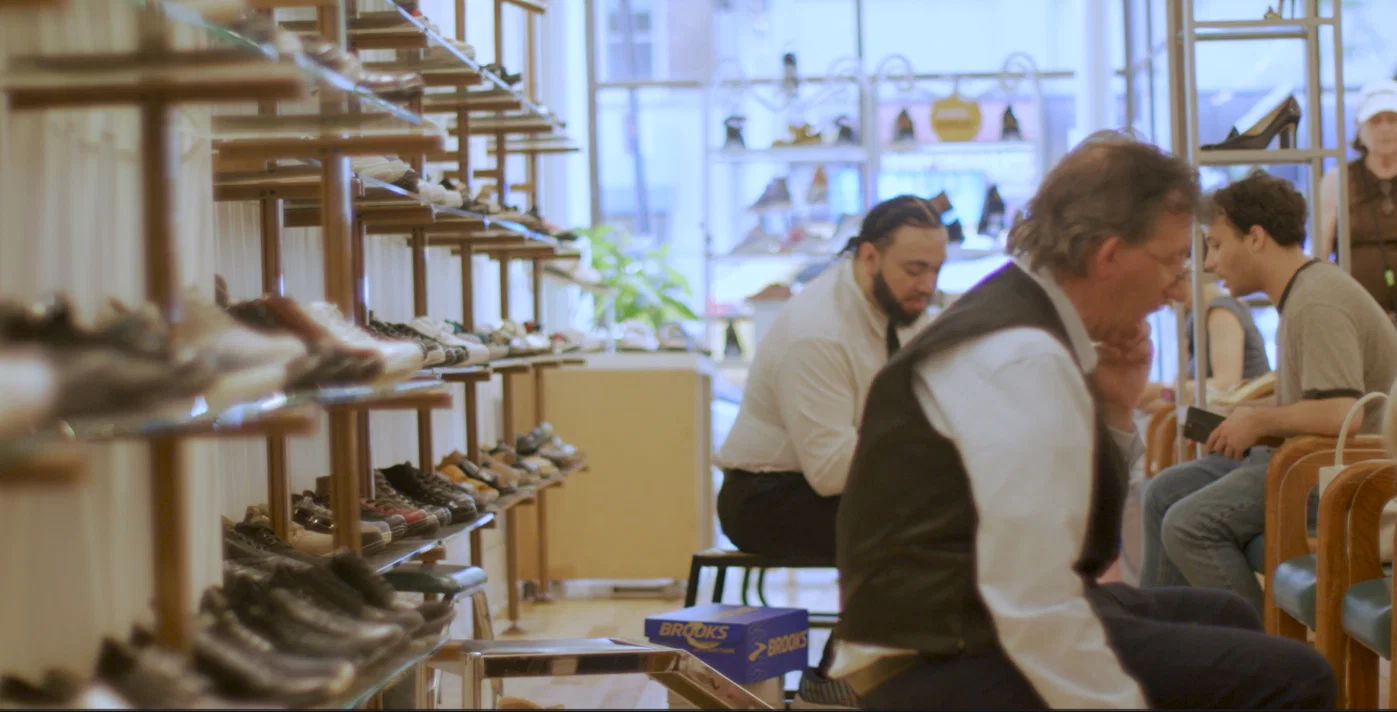
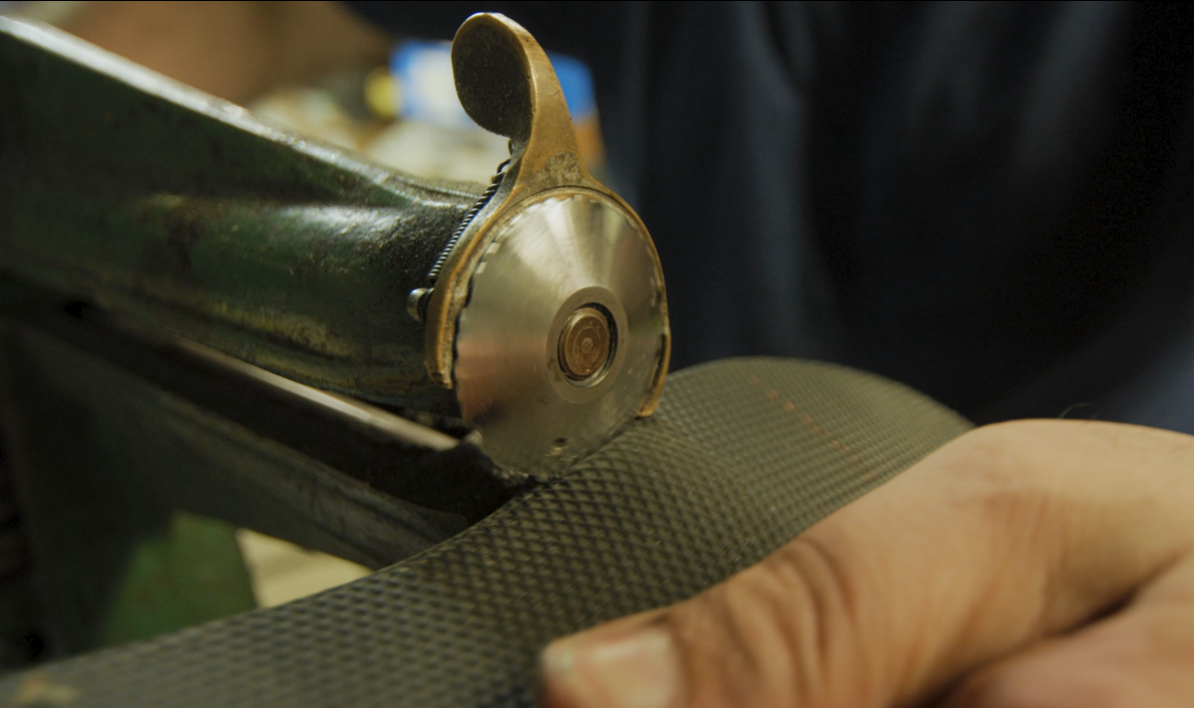
Today, Eneslow feels less like a traditional shoe store and more like a place where movement is analyzed and restored. Some customers come in for gait evaluations or specialized fittings. Others need custom orthotics, shoe modifications, or fully customized footwear designed around medical needs and biomechanics.
The process rarely starts with the product itself. “It’s about understanding the person first,” Bob says.
Over the years, Bob has watched the broader footwear industry adopt many ideas that once belonged primarily to orthopedic and performance footwear. Major brands now prioritize support, cushioning, rocker soles, and stability in ways that would have seemed niche decades ago. “There used to be a much bigger distinction,” he explains. “Now companies are taking what we’ve known for years and building it into everyday shoes.”
Still, he believes expertise cannot be replaced. Technology evolves, trends change, but understanding fit, movement, and individual needs remains deeply personal. At Eneslow, that often means helping customers find answers after they have already exhausted other options.
“Your feet affect everything you do, people just don’t think about it until something goes wrong.”
Walk into Eneslow and it feels different from what most people expect. Someone might come in for a shoe and leave with a completely different understanding of how they move. Customers can be evaluated and fitted, work with specialists on custom orthotics, receive modifications to existing footwear, or explore solutions designed around specific medical or mobility needs.
For Bob, the evolution of footwear has created both opportunities and challenges. As Eneslow continues to grow, he is focused on building a team that shares the same philosophy of care. “We’re looking for people who want to make a difference in someone’s life,” Bob says. And despite all the innovation in footwear, he believes the core idea remains simple: people want to keep moving. They want to walk comfortably through New York City, stay active, travel, work, and continue doing the things they love.
That is why, if you sit down with Bob, chances are you will end up talking about far more than shoes.