

““I thought we’d license the patent and move on. I didn’t expect to start a company.””
David DellalFounder
David Dellal was still a mechanical engineering student at MIT when the idea behind Floe took shape.
It began as a college capstone project focused on ice dams, the dangerous buildup of water and ice at the edge of roofs that can lead to flooding, structural damage, and costly repairs.
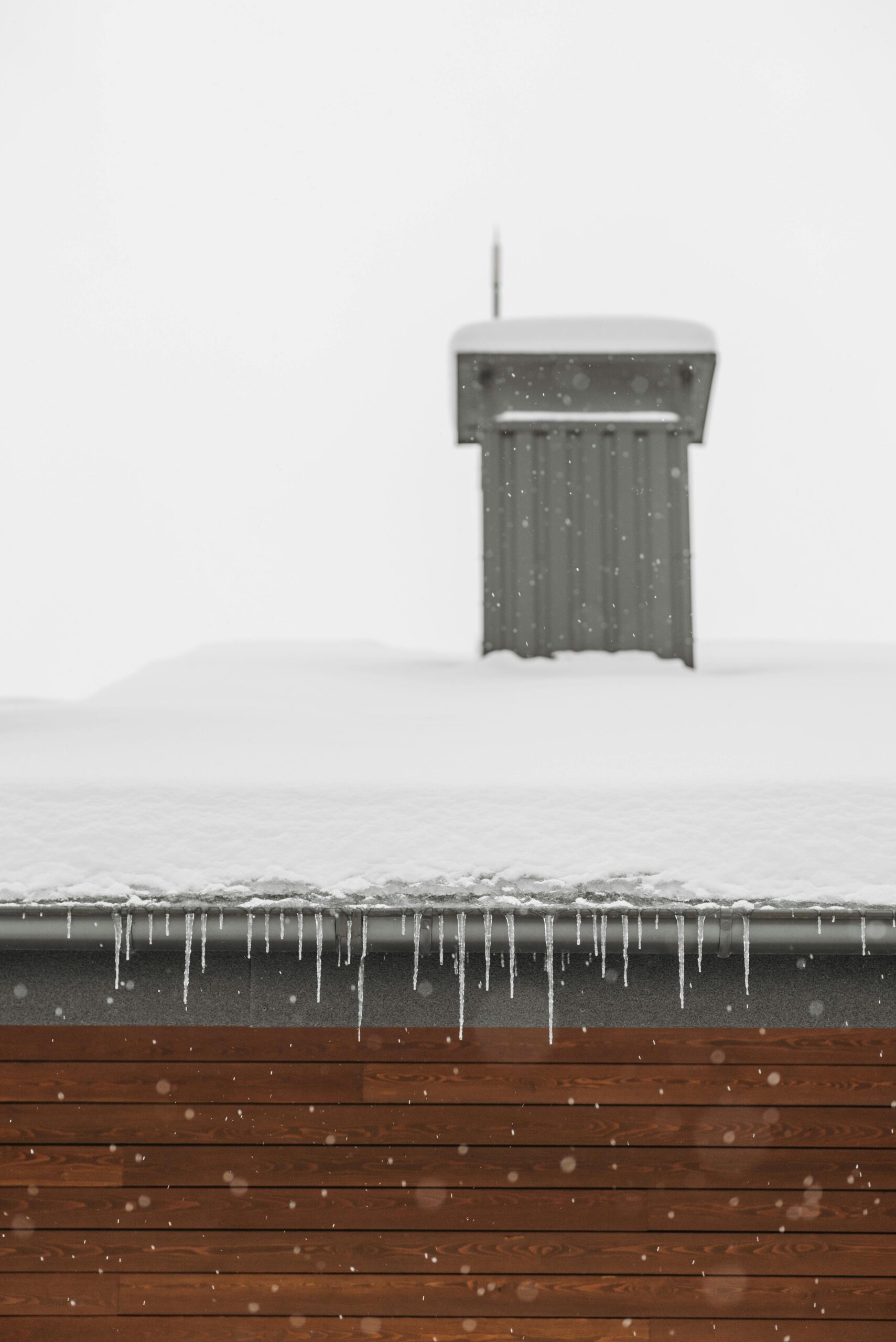
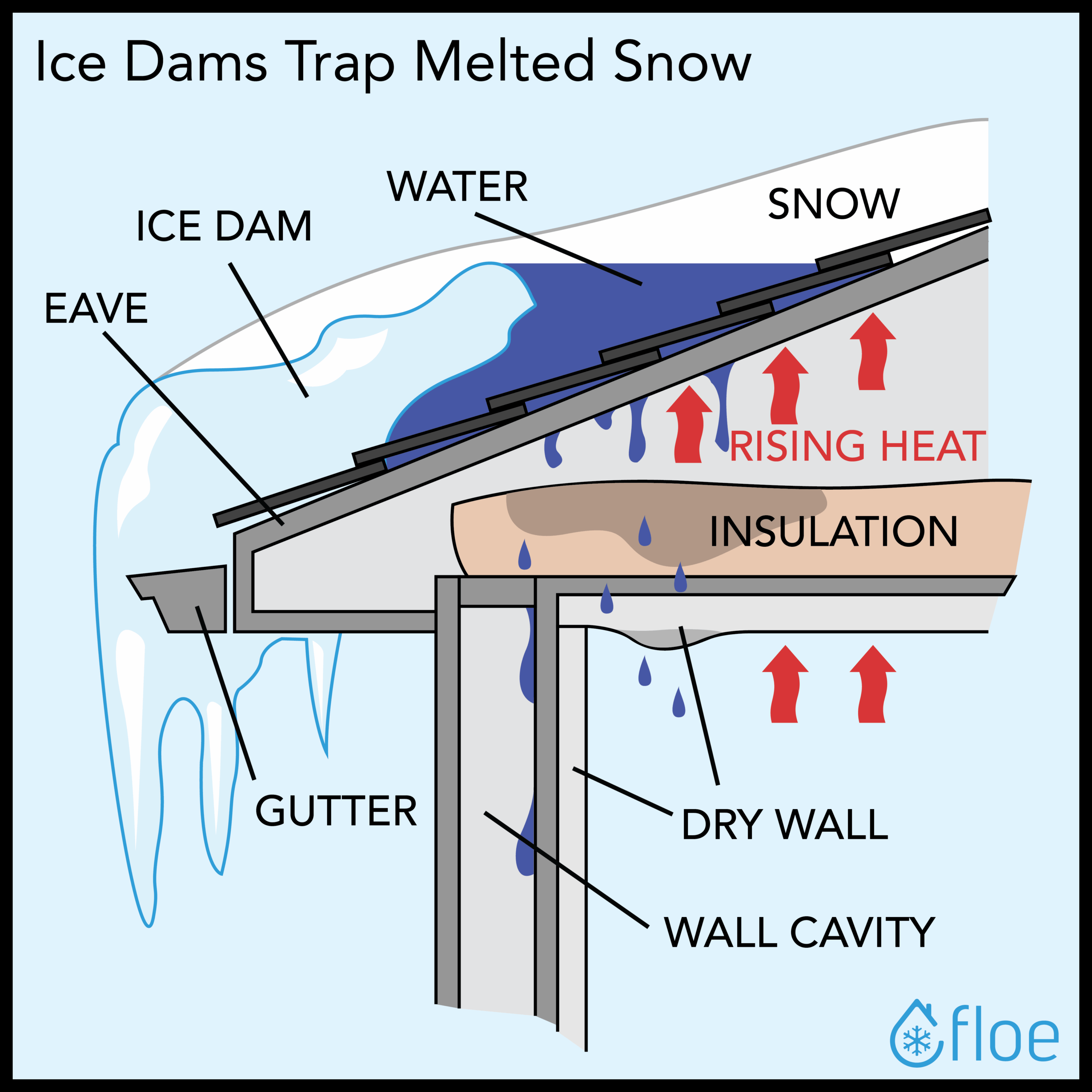
David knew the problem was more common than most people realized. Roughly 90% of homes are topped with roofing system vulnerable to this kind of damage. The problem isn’t the snow itself – it’s what happens underneath. Heat escapes from inside the building, melts the bottom layer of snow. The water flows to the edges, refreezes, and forms a dam. As ice builds up, meltwater has nowhere to ho and backs up under the shingles.
Existing solutions are costly and risky. Heat cables consume energy and often underperform. Manual snow removal required crews to climb onto icy rooftops – still one of the most dangerous jobs in America.
So David and a few classmates started exploring chemical alternatives. What if you could use a safe, targeted deicing fluid to carve small channels under the snow? Not to clear the whole roof — just enough to let trapped water escape and relieve pressure before damage starts.
They set up cold chamber tests, bought a used ice cream freezer off Craigslist, and ran backyard experiments with early prototypes. The initial goal was simple: secure a patent and see if someone else would commercialize it.
“I tried to sell the patent, but it’s really hard to sell something this niche,” David says. “So I bought the company from the rest of the team and decided to build it myself.”
Real World Testing
With early testing showing promise, David began reaching out to homeowners in Vermont and New Hampshire. Within two hours of sending a few emails, he had over 60 responses. The interest was immediate — and overwhelming.
That first year was all about proving the concept. By the next winter, he started charging for installations. Word spread quickly. Soon, commercial clients started reaching out too: big box stores, national chains, and building owners, all looking for help managing snow and ice on their large flat roofs.
That shift to commercial work became a turning point. Flat roofs cover large surface areas and offer fewer natural runoff points. In many cases, staff were manually clearing drains with shovels – dangerous, slow and costly. Floe’s system gave them a safer, more efficient alternative.
“We started building a real team, brought on experienced salespeople, and expanded into the US and Canada,” David says. “We learned so much from those first pilot programs.”
Today, Floe is much more than a startup with a smart idea.
It’s a ClimateTech manufacturer with patented solutions, ISO and FCC clearances, and a growing customer base across residential and commercial sectors. The company’s technology is chemical-based and sensor-driven, designed to keep water flowing safely, without the need to clear all the snow. That detail matters. Snow acts as insulation in cold weather. Floe’s goal isn’t to remove it; it’s to prevent the damage caused by unmanaged melting and refreezing.
Now five years in, the company is thinking bigger. Expansion into new markets, new climates, and new applications is underway. As extreme weather becomes more common, so do the risks. Cold air is reaching further south than ever before, bringing snow to regions that were never built for it. Meanwhile, areas near the Great Lakes are seeing record precipitation as warm water evaporates and re-freezes again and again.
Floe’s team believes its solution is arriving at exactly the right time. “You can’t rebuild every building, but you can make them safer,” David says. “That’s what we’re doing.”